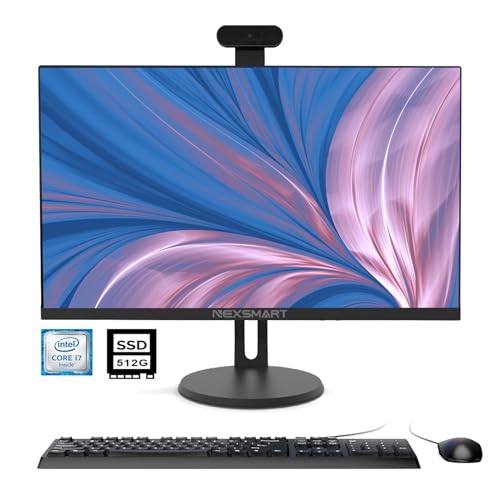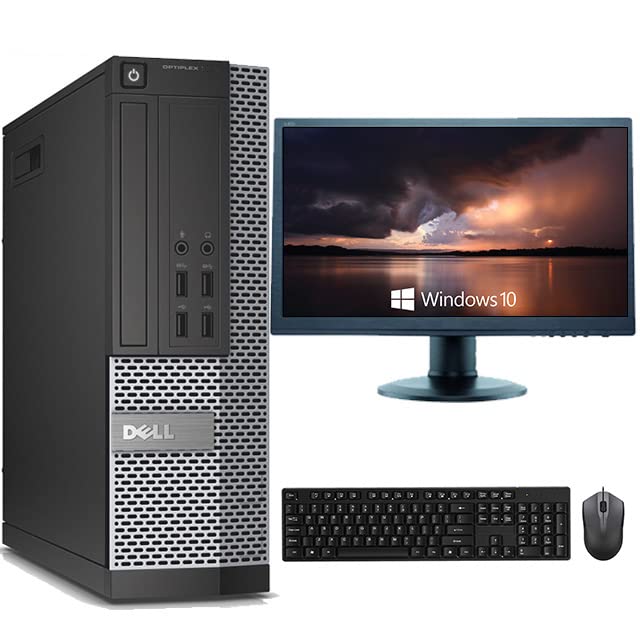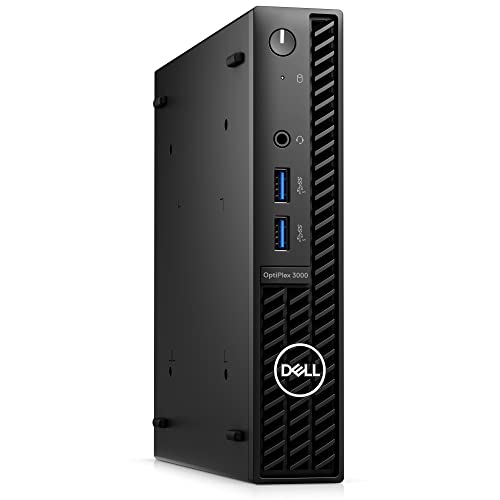
When it comes to choosing between a desktop and a laptop, one of the key factors to consider is the price. Desktop computers are generally more affordable than laptops, as they tend to offer more power and performance for the same price. Laptops, on the other hand, are more expensive due to their portability and compact design.
Desktop computers come in a variety of price ranges, from budget-friendly options to high-end models. Basic desktops can be purchased for as low as $300, whereas more advanced models can cost upwards of $2000. Laptops, on the other hand, typically start at around $500 and can go up to $3000 or more for high-performance gaming laptops.
When comparing the price of desktops and laptops, it's important to consider what you will be using the computer for. If you need a powerful machine for tasks such as graphic design, video editing, or gaming, a desktop may be the better option for you. However, if you require portability and the ability to work from anywhere, a laptop may be the more practical choice, despite the higher cost.
Performance Testing: Desktop vs Laptop Speed
When it comes to choosing between a desktop or a laptop, one of the key factors to consider is speed. Both types of computers have their own strengths and weaknesses when it comes to performance, so it's important to understand how they compare in terms of speed.
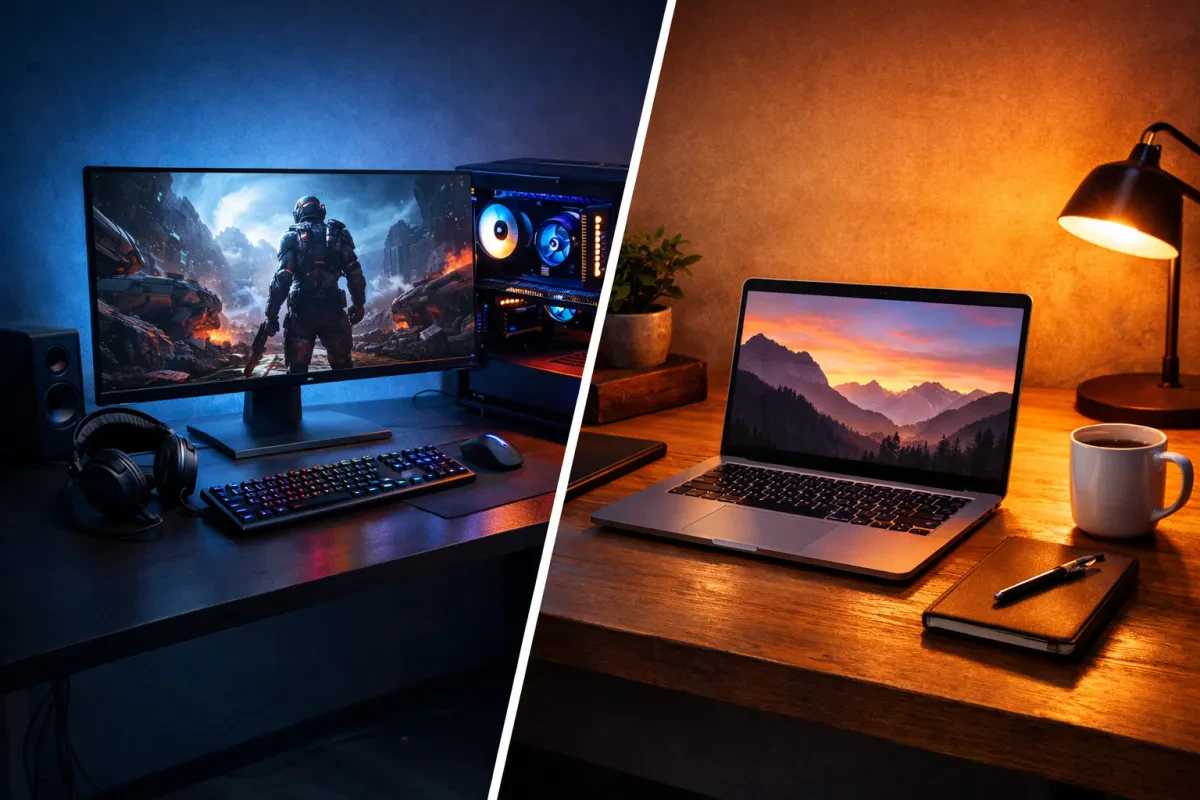
Desktop computers are generally more powerful than laptops, as they have larger and more powerful components. This means that desktops are typically faster when it comes to tasks that require a lot of processing power, such as gaming or video editing. In performance testing, desktops often outperform laptops in terms of speed and efficiency.
On the other hand, laptops are designed for portability and convenience, so they are generally not as powerful as desktops. This can result in slower performance when it comes to more demanding tasks. In performance testing, laptops tend to lag behind desktops in terms of speed and processing power.
Ultimately, the choice between a desktop and a laptop will depend on your specific needs and preferences. If you require a computer that can handle high-performance tasks and don't mind sacrificing portability, a desktop may be the best option for you. However, if you need a computer that you can take with you on the go, a laptop may be the better choice despite its potential limitations in terms of speed.
Portability Factor: Choosing between Desktops and Laptops
When it comes to choosing between a desktop and a laptop, one of the key factors to consider is portability. Desktop computers are typically larger and heavier than laptops, making them less convenient for people who need to move around frequently. Laptops, on the other hand, are designed to be lightweight and portable, making them ideal for people who work on the go.
One advantage of desktop computers is that they offer more power and storage capacity than laptops. This can be important for people who need to run demanding applications or store large files. However, for most everyday tasks like browsing the web, checking email, or watching videos, a laptop is more than capable of handling the job.
Laptops are also more versatile than desktops when it comes to connectivity. Most laptops come with built-in Wi-Fi, Bluetooth, and USB ports, making it easy to connect to the internet or other devices without the need for additional accessories. This can be especially useful for people who travel frequently or work in multiple locations.
Ultimately, the decision between a desktop and a laptop comes down to your personal needs and preferences. If you need a powerful computer with lots of storage space and don't mind sacrificing portability, a desktop might be the best choice for you. However, if you value the ability to work on the go and want a computer that is easy to transport, a laptop is likely the better option.
Features and Customization: Desktops vs Laptops
Desktops and laptops both have their own unique features and customization options to suit different needs and preferences. When it comes to desktops, one of the main benefits is the ability to easily upgrade and customize your hardware components. For tech-savvy individuals who enjoy building their own computers, desktops offer a wide range of options for customizing everything from the processor and graphics card to the amount of RAM and storage space. This flexibility allows users to create a computer that perfectly fits their needs and budget.
On the other hand, laptops are designed for portability and convenience, making them ideal for individuals who are always on the go. While laptops may not offer the same level of customization as desktops, they still come with various features that allow users to personalize their experience. For example, many laptops come with customizable keyboard backlighting, touchpad settings, and audio enhancements. Additionally, users can choose from a variety of screen sizes, resolutions, and touch screen capabilities to suit their specific preferences.
When it comes to performance, desktops typically have the edge over laptops due to their larger size and superior cooling systems. This allows desktops to handle more demanding tasks such as gaming, video editing, and graphic design with ease. However, laptops have come a long way in recent years and now offer impressive performance capabilities, especially in high-end models that are equipped with powerful processors and dedicated graphics cards. Whether you choose a desktop or a laptop ultimately depends on your specific needs and priorities, so be sure to consider factors such as portability, customization options, and performance when making your decision.